
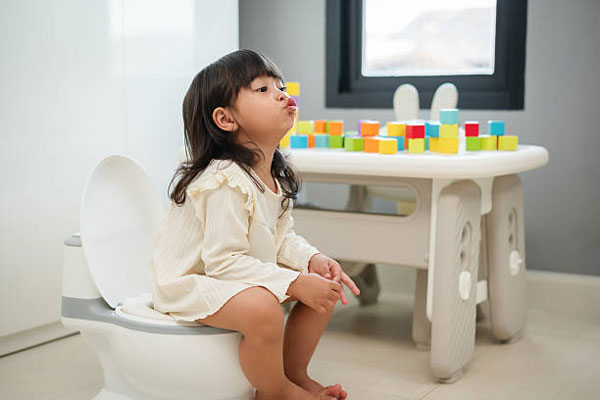
Potty training is a major milestone for any child, but for children with developmental delays, language delays, sensory needs, or autism, the process often requires a different approach. Traditional methods that rely heavily on verbal instructions can leave both parents and children feeling frustrated.
As a Board-Certified Behavior Analyst and Licensed Professional Counselor, I’ve spent years helping hundreds of families successfully potty train their children with developmental delays. What I’ve learned is simple: children don’t struggle because they’re incapable. They struggle because most plans were not built for the way they learn.
Is Your Child Ready to Start?
A child is ready to begin when they can stay dry for short periods, follow simple routines, and tolerate sitting for brief periods of time when they are asked to do so. These indicators tell you their body and brain are prepared for learning, even if they are not ready to verbally communicate.

The Routine Matters More Than Words
Many children with developmental or language delays learn best through repetitive routines, visual prompts, and hands on practice rather than long explanations. For example, if you consistently follow the same potty routine of sitting, trying, wiping, flushing, and washing hands every 20 minutes then your child will easily understand what to do without words.
If your child can’t tell you they need to go, that’s okay. You can use timing and patterns to guide bathroom trips and then help your child learn to use sign language to communicate the need to go. Many children develop predictable rhythms, and you can build success by taking them at intervals that match their natural schedule.
How to Support Sensory Needs
For some children, the bathroom itself can be overwhelming. Bright lights, cold seats, loud flushing, or echoing spaces can feel uncomfortable or even scary. Sometimes the solution is to change the environment by softening the lighting, limiting strong smells, or reducing noise. Other times, children need gentle exposure to help them gradually become comfortable in the space. When you take the time to adjust the environment and slowly desensitize your child to the bathroom, it creates a foundation of safety that makes learning possible.
Celebrate Even Small Progress


Potty training is a learning process with constant ups, downs, progressions, and regressions. Accidents are part of the journey, not a sign of failure. When you take the time to celebrate small wins like sitting on the toilet, staying dry a little longer, or recognizing body cues, you will slowly build confidence for both you and your child.
You Don’t Have to Do This Alone
Many parents feel isolated when potty training a child with developmental delays, but you deserve support that fits your child’s needs. That’s why I created The Well Rounded Potty Training Course. It is a step by step system designed specifically for children with developmental delays.
Along with videos and downloadable resources, you’ll join a community of caregivers walking the same journey. Their encouragement and shared experiences help ease the loneliness, frustration, and overwhelm that can show up along the way.
If you want a clear plan that truly works for your child, you can learn more here: https://www.drbethlong.com/products/course/potty-training-made-easy-course



Dr. Beth Long received her education in Counseling Psychology from Chapman University. She is a Licensed Professional Counselor and Board Certified Behavior Analyst. Beth has worked in six unique clinical environments across the country and currently owns Works of Wonder Therapy in Montgomery. Beth utilizes the knowledge from a variety of different disciplines to give her patients the best care possible. To learn more visit www.worksofwondertherapy.com.